Effective written communication remains a cornerstone of personal and professional success. While digital communication dominates modern interactions, the carefully crafted letter retains its unique power for conveying important information, expressing sentiments thoughtfully, and establishing a lasting impression. Understanding the proper format and procedures for mailing a letter ensures the message’s clarity and professionalism, maximizing its impact.
Understanding Letter Formats: Structure and Style
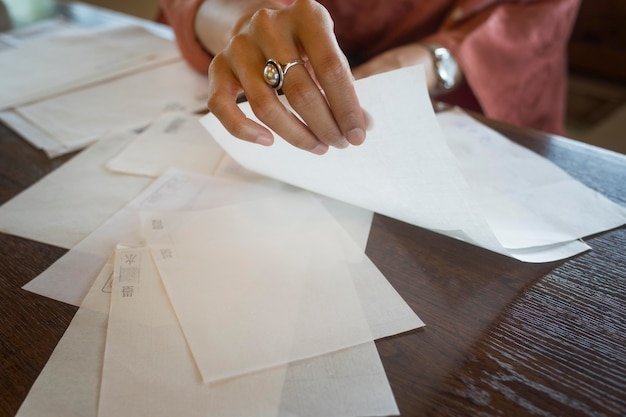
Several letter formats exist, each appropriate for different contexts. The most common are:
- Business Letter Format: This formal structure emphasizes professionalism and clarity. It typically includes a header with sender and recipient information, a date, a salutation, body paragraphs, a closing, and a signature.
- Personal Letter Format: Less formal than a business letter, a personal letter prioritizes a conversational tone while still maintaining clarity and structure. It may omit some elements of the business letter format.
- Formal Letter Format: Similar to the business letter, the formal letter emphasizes formality and professionalism. This is often used for official correspondence or sensitive matters.
Regardless of the chosen format, consistency in formatting elements is crucial. This includes consistent font styles, margins, spacing, and paragraph indentation. These details convey professionalism and improve readability.
Essential Components of a Well-Structured Letter
Regardless of the specific format, certain elements are fundamental to a well-structured letter:
Sender’s Address:
This is usually placed at the top left corner, including the street address, city, state, and zip code. For business letters, company letterhead often incorporates this information.
Date:
The date is typically placed below the sender’s address, either left-aligned or centered, depending on the format.
Recipient’s Address:
The recipient’s full address, including name, street address, city, state, and zip code, is placed below the date, usually on the left.
Salutation:
The salutation begins the letter’s body and sets the tone. Formal letters typically use “Dear Mr./Ms./Dr. [Last Name],” while less formal letters might use “Dear [First Name].” Always ensure the salutation is accurate and respectful.
Read Also: Perfect Cover Letter Closings: Dos & Don’ts
Body Paragraphs:
The body of the letter should be concise, clear, and well-organized. Each paragraph should address a specific point or idea. Maintain a consistent tone and style throughout.
Closing:
The closing complements the salutation. Formal letters commonly use “Sincerely,” “Respectfully,” or “Cordially.” Less formal letters might employ “Best regards” or “Warmly.”
Signature:
A handwritten signature follows the closing, adding a personal touch. Typed name is placed below the signature for clarity.
Enhancing Readability and Professionalism
Beyond the basic structural elements, several strategies improve readability and professionalism:
- Use a professional font: Times New Roman, Arial, or Calibri are commonly used and provide excellent readability.
- Maintain consistent font size: A size 12 font is generally recommended for body text.
- Use appropriate spacing: Single-spacing is acceptable for the body, with double-spacing between paragraphs.
- Proofread carefully: Errors in grammar and spelling undermine professionalism. Thorough proofreading is essential before mailing.
- Choose high-quality paper: The paper quality reflects the letter’s importance and the sender’s professionalism.
Navigating the Mailing Process
Once the letter is completed, the mailing process ensures its timely and accurate delivery:
Addressing the Envelope:
The recipient’s address should be clearly written in the center of the envelope. The sender’s address should be placed in the top left corner. Use clear, legible handwriting or a label printer.
Applying Postage:
Determine the correct postage amount based on the letter’s weight and destination. Insufficient postage can delay or prevent delivery. Online postage calculators or inquiries at the post office can assist in determining the appropriate postage.
Choosing the Right Mail Class:
Various mail classes exist, each offering different delivery speeds and costs. First-Class Mail is commonly used for letters, while other classes like Priority Mail and Express Mail offer faster delivery options for time-sensitive correspondence.
Protecting the Letter:
For important documents or sensitive information, consider using a protective envelope or adding extra security measures like certified mail or return receipt requested. This ensures secure delivery and provides proof of mailing.
The Importance of Proper Letter Formatting and Mailing
The benefits of mastering letter formatting and mailing extend beyond mere aesthetics. Proper formatting conveys professionalism, enhances clarity, and ensures timely and accurate delivery. This, in turn, contributes to successful communication, builds positive relationships, and establishes a strong professional image. In business, well-crafted letters significantly impact client relations, negotiations, and legal compliance. In personal contexts, thoughtful letters strengthen bonds and convey heartfelt messages effectively.
In conclusion, while digital communication is prevalent, the art of writing and mailing a letter remains a valuable skill. By understanding the nuances of letter formats, adhering to proper mailing procedures, and prioritizing clarity and professionalism, individuals and organizations can leverage the enduring power of well-crafted correspondence to achieve their communication objectives.
Additional Considerations and Resources
For more detailed information on specific mailing regulations and postal services, consult the official website of your national postal service. This will provide updated information on postage rates, mail classes, and other relevant regulations. Numerous online resources and style guides are also available to assist in refining writing skills and mastering different letter formats. Regularly reviewing these resources can enhance your ability to craft effective and professional correspondence.
Understanding the legal implications of written correspondence, particularly in business or official contexts, is also crucial. Seeking legal counsel when necessary, especially for sensitive matters, can prevent future complications. This attention to detail demonstrates a commitment to professionalism and legal compliance, further enhancing the impact of written communications.
Finally, remember that continuous learning and refinement are vital to mastering effective communication. Practice writing letters, seeking feedback when possible, and adapting to different contexts and audiences will continuously improve your skills. By making a commitment to effective communication, you significantly enhance your ability to connect with others and achieve your goals.


