A well-crafted product communication piece serves as a crucial bridge between a business and its potential clientele. Its purpose is to succinctly and compellingly highlight the value proposition of a product or service, persuading the recipient to take a desired action, whether that’s making a purchase, requesting more information, or visiting a website. This type of communication, often delivered through various channels including email, direct mail, or even as an insert within a larger marketing package, necessitates a strategic approach, balancing clear messaging with persuasive language to achieve maximum impact. Success hinges on understanding the target audience, tailoring the message to resonate with their specific needs and aspirations, and ultimately, creating a compelling case for the product’s benefits. This exploration delves into the intricacies of creating such effective communications, examining key elements and offering practical strategies for optimization.
Crafting Compelling Content: The Core Elements

Defining the Target Audience
Before even considering the wording, a thorough understanding of the intended recipient is paramount. Identifying the target audience involves segmenting the market based on demographics (age, income, location), psychographics (lifestyle, values, interests), and buying behavior. This detailed understanding informs every aspect of the communication, from tone and language to the chosen imagery and call to action. For example, a product communication aimed at young professionals will differ significantly from one targeted at senior citizens. Careful market research, utilizing data analytics and customer relationship management (CRM) systems, can provide valuable insights into consumer preferences and purchasing patterns. The more precise the targeting, the greater the potential for engagement and conversion.
Highlighting Key Product Benefits

The core of any successful product communication lies in clearly articulating the product’s value proposition. Instead of simply listing features, the communication should focus on the tangible benefits these features deliver to the consumer. For instance, rather than stating “Our widget has three settings,” a stronger approach would be “Our widget offers customizable settings to optimize performance and meet your specific needs.” This approach emphasizes the problem the product solves and the positive outcomes it provides. Using strong action verbs and focusing on the customer’s perspective enhances the impact. Consider employing a benefit-driven approach, focusing on how the product will improve the customer’s life, solve a problem, or fulfill a desire.
Employing a Persuasive Tone and Style

The tone and style of the communication should align perfectly with the brand identity and the target audience. A formal, professional tone may suit a B2B communication, while a more casual and engaging tone could be appropriate for a consumer-facing product. The language used should be clear, concise, and easy to understand, avoiding jargon or overly technical terms that could confuse the reader. Incorporating storytelling techniques, such as case studies or testimonials, can add credibility and emotional resonance. Using a conversational tone, where appropriate, can help to build rapport and foster trust. The goal is to create a connection with the reader, making them feel understood and valued.
Incorporating Visual Elements
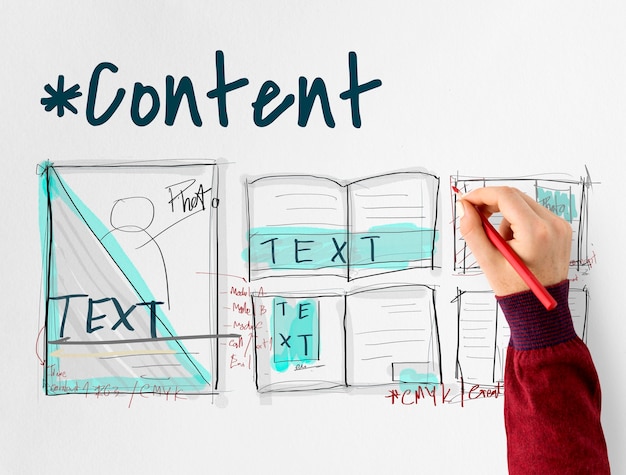
Visual elements play a crucial role in capturing attention and conveying information effectively. High-quality images and graphics can help to break up text, enhance readability, and make the communication more visually appealing. Consider using images that are relevant to the product and its benefits, showcasing its use in real-life scenarios. Professional photography and graphic design can significantly improve the overall impact of the communication. The visual elements should complement the written content, reinforcing the message and creating a cohesive and engaging experience for the reader. Using infographics or short videos can be particularly effective in conveying complex information in a clear and concise manner.
Strategic Delivery and Call to Action
Choosing the Right Channel
The chosen delivery channel should align with the target audience’s preferences and habits. Email marketing remains a popular and effective channel for reaching a large audience, but direct mail can be surprisingly effective for certain demographics. Social media platforms can be utilized to reach younger audiences, while print media might be appropriate for a more traditional approach. Consider the audience’s digital literacy and their preferred methods of communication when selecting the channel. A multi-channel approach, combining several methods, can often yield the best results, maximizing reach and engagement. Data-driven decision making regarding channel selection should be prioritized.
Read Also: How to Write a Winning Promotion Request Letter – Sample Letter
Crafting a Compelling Call to Action (CTA)
A clear and concise call to action is essential for guiding the reader towards the desired outcome. The CTA should be strategically placed and easily visible, prompting the reader to take a specific action, such as visiting a website, making a purchase, or requesting more information. Strong verbs and a sense of urgency can enhance the effectiveness of the CTA. For example, “Shop Now,” “Learn More,” or “Get Your Free Quote” are all clear and effective calls to action. The CTA should be tailored to the specific goal of the communication and should be easy to understand and act upon. Testing different CTAs can help determine which one performs best. A well-defined CTA is the final push needed to convert a potential customer into a paying one.
Measuring Success and Refining Strategies
Tracking key metrics, such as open rates, click-through rates, and conversion rates, is vital for assessing the effectiveness of the communication. This data can be used to refine future campaigns, optimizing the content, delivery channels, and calls to action. Analyzing the results helps identify what works well and what needs improvement. A/B testing, where two different versions of the communication are sent to different segments of the audience, can be a valuable tool for identifying optimal approaches. Continuous monitoring and adjustment are essential for maximizing the return on investment (ROI) of marketing efforts. The data gathered informs subsequent strategies, ensuring that communications consistently improve over time.
Examples of Effective Product Promotion Letters
Imagine a company launching a new line of sustainable clothing. Their product communication might feature high-quality images showcasing the clothing on diverse models in natural settings. The text would highlight the eco-friendly materials, ethical production practices, and the stylish design, emphasizing the benefits of supporting sustainable fashion and looking good while doing so. The call to action could be “Shop our new collection and make a difference today!”
Another example could be a tech company introducing a new productivity software. Their communication might use data-driven visuals showcasing increased efficiency and time savings. The text would focus on the software’s intuitive interface, seamless integration with existing tools, and its ability to streamline workflows. The call to action might be “Start your free trial and experience the power of streamlined productivity!” These examples demonstrate how different products require tailored approaches, focusing on the unique aspects that resonate most with their target audience.
Consider a gourmet food company launching a new range of artisanal cheeses. Their communication could feature mouthwatering close-up images of the cheeses, accompanied by descriptions highlighting the unique flavor profiles and production methods. The text might evoke a sense of luxury and indulgence, emphasizing the high-quality ingredients and handcrafted nature of the product. The call to action might be “Indulge your senses – order your selection today!” These examples show the importance of visual appeal and emotional engagement alongside factual information.
Tips for Creating High-Impact Product Communications
Keep it concise and focused: Avoid overwhelming the reader with too much information. Focus on the key benefits and value proposition. Use strong visuals: Images and graphics can significantly enhance engagement and memorability. Personalize the message: Tailor the communication to resonate with the specific needs and interests of the target audience. Use clear and concise language: Avoid jargon and technical terms that may confuse the reader. Include a compelling call to action: Guide the reader towards the desired outcome with a clear and concise CTA. Test and refine: Monitor key metrics and use data to refine future campaigns. Employ storytelling techniques to create emotional connections. Maintain brand consistency: Ensure the communication aligns with the overall brand identity and messaging. Proofread carefully: Errors can undermine credibility and professionalism. Seek feedback: Get input from colleagues or beta testers to identify areas for improvement.
Conclusion: The Ongoing Importance of Effective Communication
In today’s competitive marketplace, effective product communication is not merely a desirable asset; it’s a critical necessity for success. A well-crafted communication piece, meticulously tailored to resonate with the target audience, can significantly impact brand perception, drive sales, and foster customer loyalty. By understanding the core principles outlined above and employing a strategic approach to content creation and delivery, businesses can leverage the power of persuasive communication to achieve their marketing objectives and build a thriving customer base. The continuous monitoring and refinement of strategies, based on data-driven insights, is crucial for sustained success in the ever-evolving world of marketing. Remember, communication is a dynamic process, requiring continuous adaptation and improvement.
Encourage Questions
Do you have any questions about crafting effective product communication materials? Are there specific challenges you’re facing in your marketing efforts that you’d like to discuss? We encourage you to reach out and share your thoughts and experiences. We’re happy to provide further guidance and support to help you achieve your marketing goals. Your success is our priority.


